

Japanese Tattoos in San Diego by Chris Cockrill
Sleeves, back pieces, and irezumi-influenced work at Remington Tattoo in North Park
If you're looking for a Japanese tattoo in San Diego, whether it's a full back piece, a sleeve, or a single hannya on the forearm, this is where to start. I've been tattooing since 1998, the last ten years at Remington Tattoo in North Park.


Getting a Japanese Tattoo in San Diego
My Japanese work runs from full back pieces and bodysuits down to sleeves, half sleeves, and standalone panels. Dragons, koi, hannya masks, tigers, peonies, waves, and phoenixes. The motifs carry meaning and I take that seriously.
Larger pieces start with a consultation. No charge for that. It is just a conversation about placement, scale, and how the design will read as it heals and ages over time. Walk-ins are welcome for smaller standalone work.
I also do traditional American tattoos and black and grey work at Remington Tattoo.


How I Design a Japanese Piece
Every Japanese piece starts on paper, not the skin. I lay it out as a full mock-up so you can see how it wraps the arm, back, or leg before we start. The main images go where the body gives them room, and the background of wind, water, and clouds ties it all together. That background is what makes a sleeve read as one piece instead of a collection of separate tattoos.
I also paint Japanese designs in sumi ink and watercolor. It keeps my hand in the tradition and gives clients something real to look at, not just a screen.
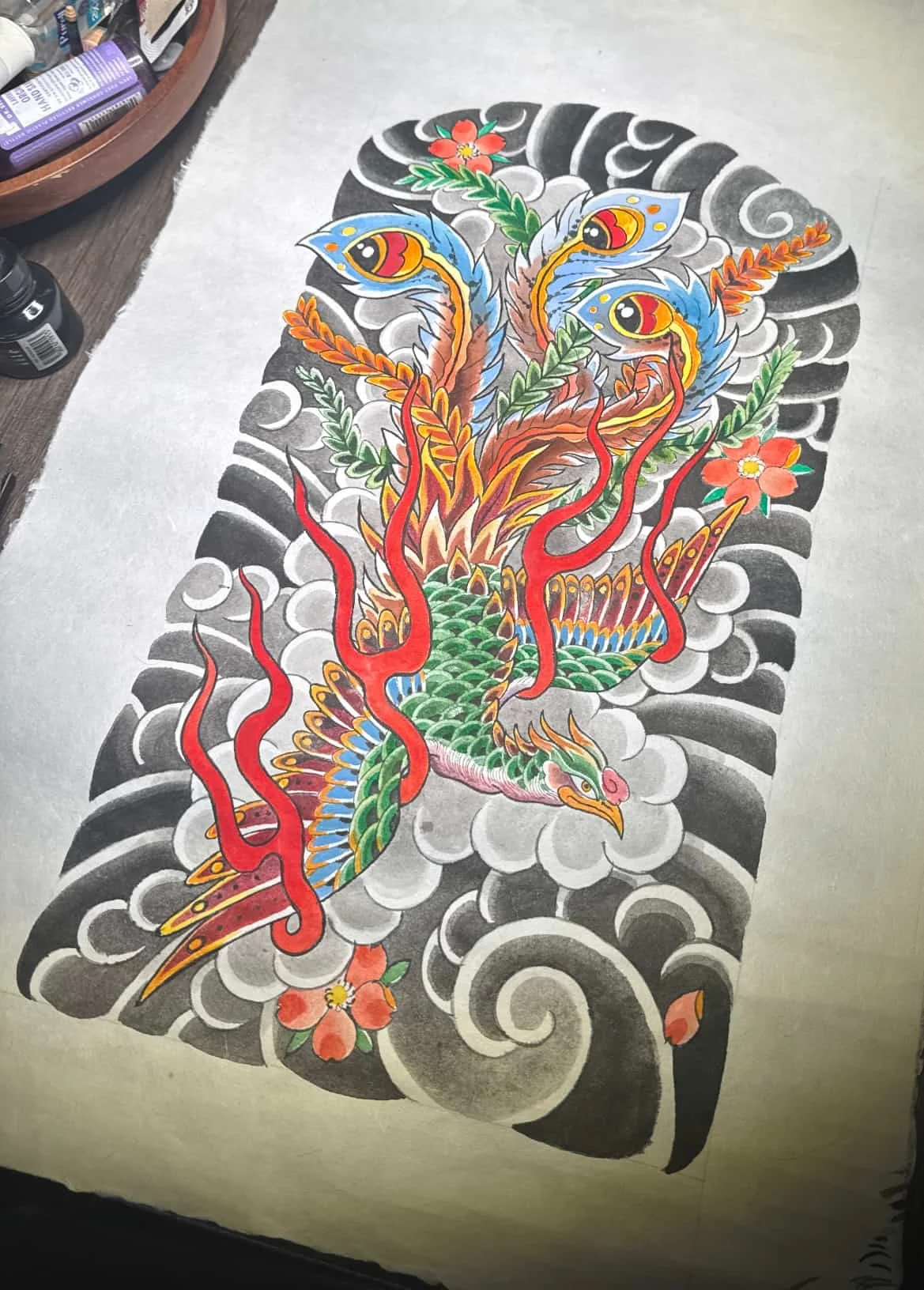
I apprenticed at Fine Line Tattoo in Houston and moved to San Diego in 2003, putting in years at Avalon Tattoo II, Lucky's Tattoo Parlor, Scorpion Studios, and American Tattoo in Vista before landing at Remington. I've also tattooed in Thailand and Australia. I keep studying Japanese tattooing through books, woodblock prints, and the work of the tattooers who carry it forward.
Why Experience Matters
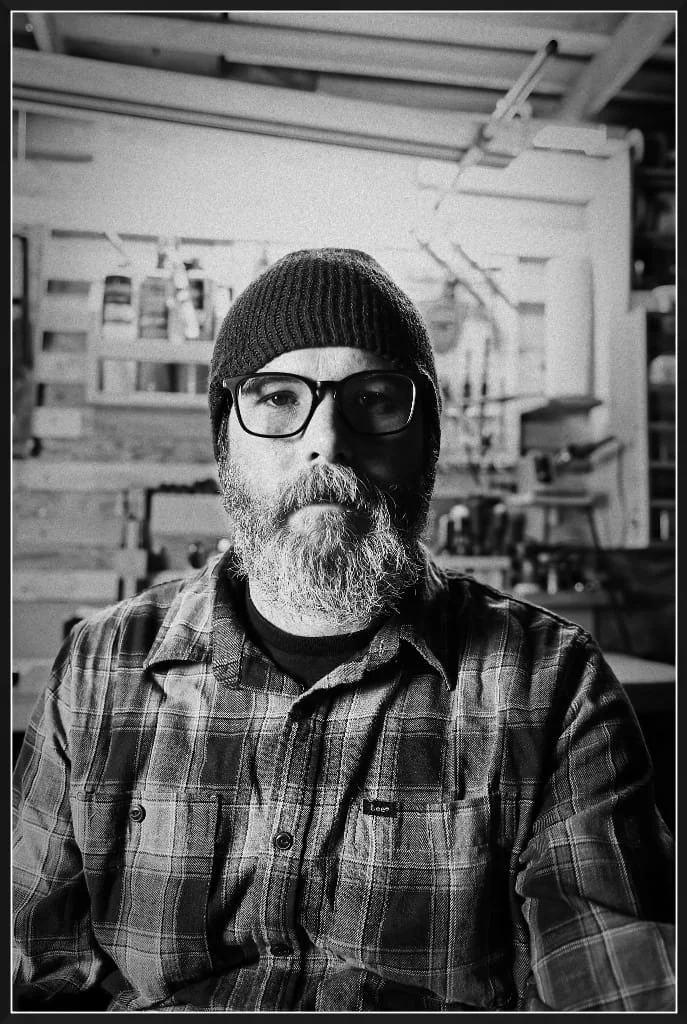
As an American tattooing in a Japanese tradition, I'm always learning something new, and I often write about or paint the themes I'm digging into.
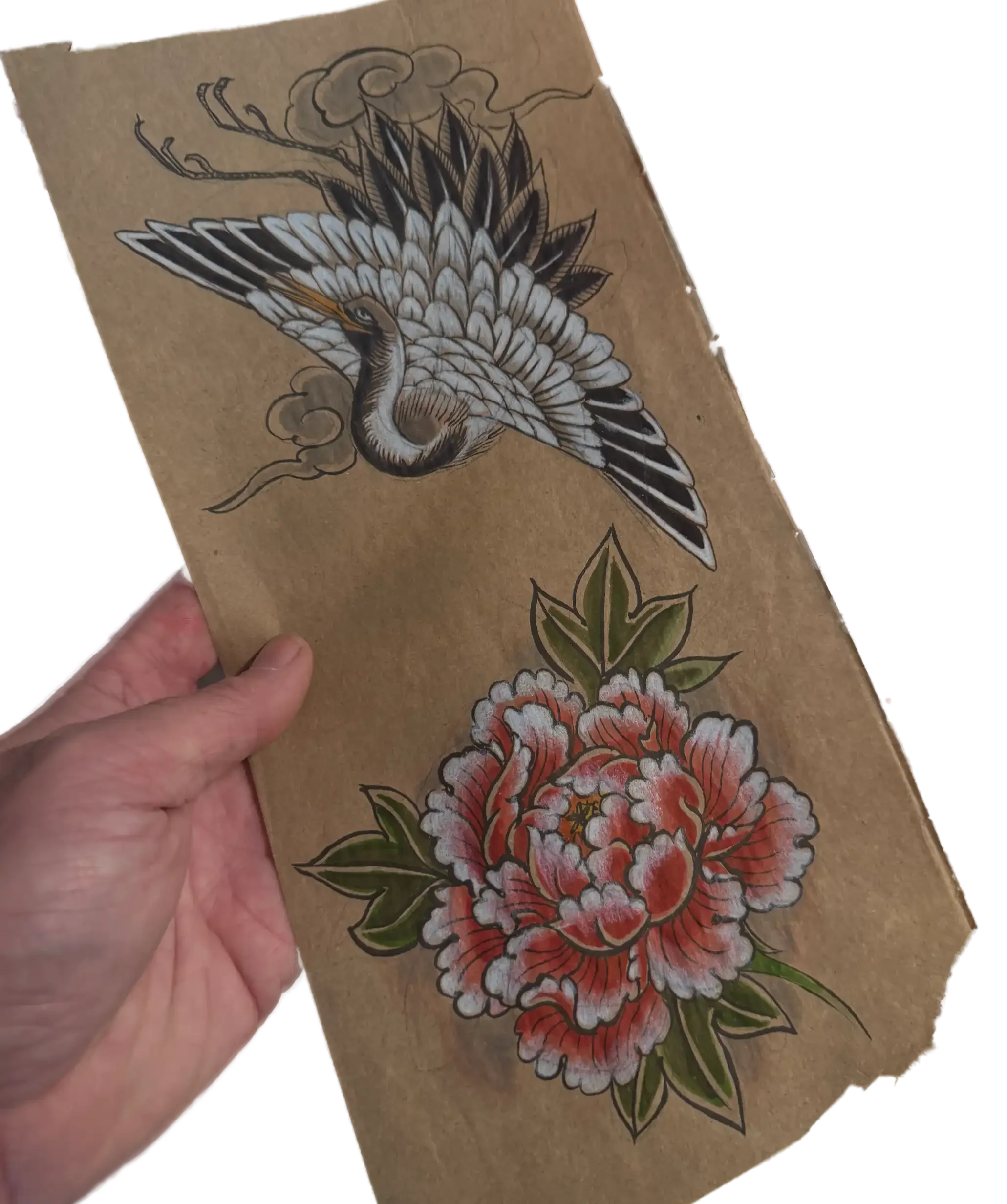
The hannya is more than a demon mask, the phoenix earns its power through rebirth, and the peony's short bloom says nothing lasts, and a kapala skull is a reminder of impermanence.
Some people come in with a meaning they want to carry. Some just love the image, and that's enough.
What the Motifs Mean
Japanese Tattoo FAQ
-
A full Japanese sleeve is typically 30 to 50 hours of work spread across multiple sessions. The timeline depends on design complexity and how well the skin heals between sessions. Most sleeves take a year or more to complete properly.
-
In Japanese tattooing, koi represent perseverance and transformation. The direction the fish swims traditionally carries different meaning, and color carries significance in classical irezumi. Most clients choose imagery that connects to something in their own life.
-
A full back piece typically runs 25 to 60 hours of work depending on the design, detail, and coverage. Without seeing the design and talking through the scope, a number does not mean much beyond that. Some clients come in every week, others once a month, the pace is yours. The consultation is free and that is the right place to start.
-
Smaller standalone pieces, a hannya, a koi panel, a chrysanthemum, can often be done as walk-ins or a short email exchange. Anything involving placement planning starts with a sit-down first.
-
Remington Tattoo is at 3009 Myrtle Ave in North Park, San Diego 92104. Wednesday through Saturday, noon to 7pm.
See more reviews on Google.
Come In
Looking for a Japanese tattoo in San Diego? Come by.
Remington Tattoo is at:
3009 Myrtle Ave in North Park, San Diego.
Wednesday through Saturday, noon to 7. Walk-ins welcome for smaller traditional pieces and flash.